
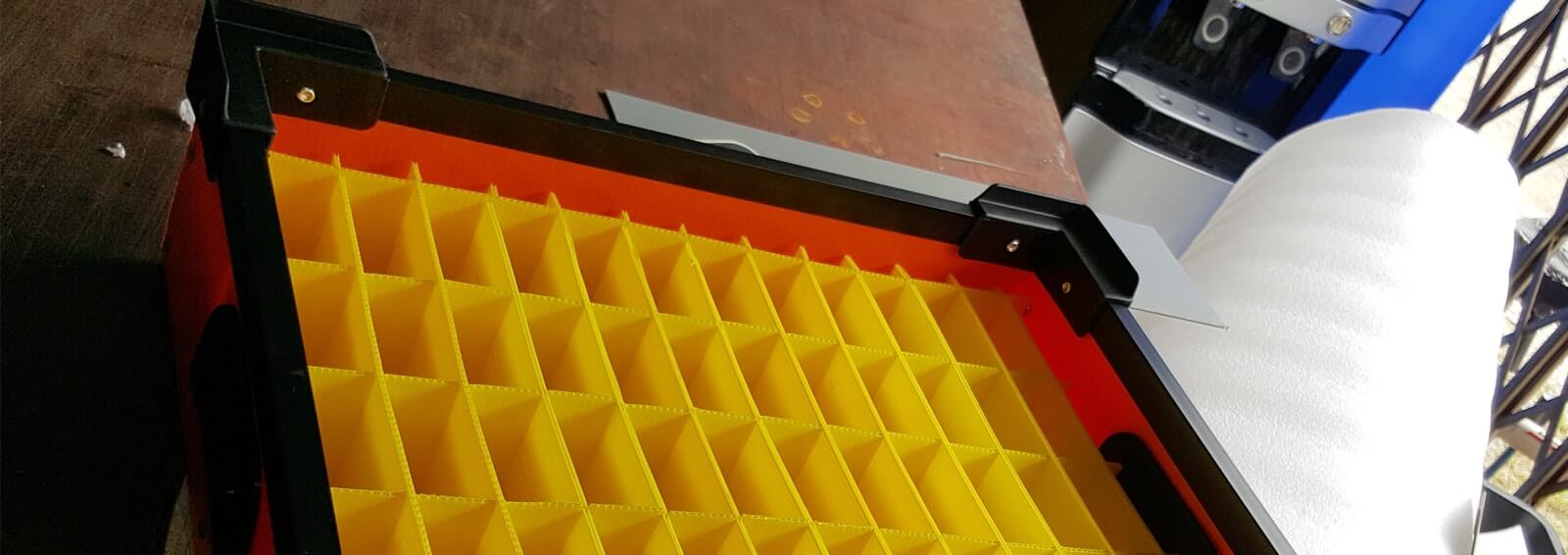
Custom Plastic Packaging in Malaysia: Tailored Packaging Solutions for Your Business
Looking for custom plastic packaging in Malaysia that fits your products, protects your goods and supports your brand? EasePack provides tailored custom plastic packaging solutions designed around your product dimensions, material requirements, functional needs and branding objectives. From custom plastic packaging boxes to moulded plastic containers, businesses can explore packaging solutions developed to meet specific product and operational requirements.
Whether you are sourcing packaging for manufacturing, retail, electronics, consumer products or other commercial applications, choosing the right packaging can improve product presentation, support safe handling and create a more consistent customer experience. EasePack works with businesses to develop packaging concepts that balance functionality, appearance, durability and cost.
Contact EasePack to discuss your packaging requirements and request a customised quotation.
Custom Plastic Packaging Manufacturer and Supplier in Malaysia
Custom plastic packaging is developed according to a product's specific dimensions, shape, protection requirements and presentation objectives rather than relying solely on standard, ready-made packaging.
For businesses with specialised products, customised packaging can provide a better fit, more suitable protection and greater flexibility in design. Dimensions, material characteristics, colours and configurations can be considered according to the intended application.
As a custom plastic packaging supplier, EasePack helps businesses explore suitable packaging solutions based on their product specifications and commercial requirements. The development process can include consultation, design concepts, 3D visualisation, prototyping and assessment before production.
Custom packaging can be particularly useful when standard packaging does not provide the required dimensions, product arrangement or presentation. By considering these requirements at the design stage, businesses can work towards a packaging solution that better supports their products and day-to-day operations.
Types of Custom Plastic Packaging
Custom Plastic Packaging Boxes
Custom plastic packaging boxes can be developed around product dimensions, storage needs and presentation requirements. Businesses can explore suitable configurations for products that require a more precise fit or a distinctive packaging appearance.
Depending on the application, design considerations may include internal dimensions, wall structure, transparency, colour and ease of handling.
Custom Moulded Plastic Containers
Custom moulded plastic containers can be considered when a product requires a particular shape, size or configuration. The design should take into account the product's dimensions, intended use, durability requirements and manufacturing feasibility.
Protective Plastic Packaging
Products that are vulnerable to movement, impact or handling damage may benefit from packaging designed around their specific requirements. Protective features and suitable material characteristics should be assessed according to the product and transportation conditions.
Industry-Specific Plastic Packaging
Custom plastic packaging can be developed for different business applications, including:
-
Food and beverage: Packaging designed around the product's intended use, handling and applicable food-contact requirements.
-
Cosmetics and personal care: Packaging that supports product presentation, storage and branding.
-
Electronics: Packaging designed with appropriate consideration for product fit, handling and protection.
-
Industrial and manufacturing products: Packaging developed around component dimensions, storage arrangements and handling requirements.
-
Consumer products: Customised packaging that balances product protection, appearance and practical use.
The available packaging format and production method should be confirmed according to the project requirements. Businesses can contact EasePack to discuss the suitability of a proposed design.
Custom Plastic Packaging Formats and Applications
The right custom plastic packaging format depends on the product's shape, dimensions, protection requirements and intended use. Before selecting a design, businesses should consider how the packaging will be handled, stored, transported and presented to customers.
Depending on the available manufacturing capabilities, custom plastic packaging may include:
-
Custom plastic boxes: Designed around specific product dimensions, visibility requirements and presentation objectives.
-
Plastic trays and inserts: Used to organise individual products or components within a larger package, where suitable.
-
Moulded plastic containers: Developed for applications that require a particular shape, configuration or level of rigidity.
-
Protective plastic packaging: Designed to accommodate product-specific handling and protection requirements.
For electronics, packaging design may need to consider component positioning and protection during handling. Cosmetics and consumer products may place greater emphasis on appearance, transparency and presentation, while industrial components may require practical arrangements for storage and transportation.
The availability of each format depends on the proposed design, material and production method. Contact EasePack to discuss your product requirements and identify a suitable packaging solution.
Custom Plastic Packaging Materials
Material selection is an important consideration when developing effective packaging. Different plastics offer different characteristics in terms of rigidity, durability, transparency, appearance, cost and recyclability.
EasePack's existing material options include PET, PVC and HDPE.
| Material | Key characteristics | Considerations |
|---|---|---|
| PET | Versatile, durable and available in transparent formats | Consider where product visibility and recyclability are priorities |
| PVC | Offers flexibility in packaging design and application | Suitability depends on the intended use and relevant requirements |
| HDPE | Known for its strength and durability | Consider where the application requires appropriate toughness and resistance |
The most suitable material depends on the packaging design, product characteristics and intended operating conditions. Material selection should also consider applicable regulatory requirements, particularly for food-contact or other regulated applications.
EasePack can help businesses assess their material preferences and packaging objectives during the consultation process.
Custom Plastic Packaging Manufacturing Methods
The manufacturing method affects the packaging design, tooling requirements, achievable shape, production volume and overall cost. Selecting a suitable process early can help businesses evaluate the feasibility of a customised packaging project.
Common plastic manufacturing methods include:
-
Thermoforming: Plastic sheets are heated and formed into a desired shape. Depending on the equipment and design, this method can be suitable for trays, inserts and certain packaging components.
-
Injection moulding: Molten plastic is injected into a mould to create components with defined shapes and features. Tooling requirements and production volumes are important considerations.
-
Extrusion: Plastic material is formed continuously into a specified profile or sheet, depending on the process and equipment.
Not every manufacturing method is suitable for every packaging design. Material choice, dimensions, wall thickness, structural requirements and anticipated order quantities all influence process selection.
EasePack can assess your proposed packaging requirements and advise on the manufacturing options available for your project.
Custom Plastic Packaging Design and Development Process
Successful custom packaging development involves more than selecting a plastic material. The design must accommodate the product, fulfil functional requirements and be suitable for production.
EasePack's development approach can help businesses move from an initial concept towards an approved packaging design.
1. Consultation and Requirements Assessment
The process begins with an understanding of your product, intended application, packaging dimensions, estimated order quantity and branding requirements.
Providing product samples, drawings or reference photographs can help clarify the required packaging configuration.
2. Packaging Design and Development
The packaging concept is developed around the product's dimensions, appearance and functional requirements. Depending on the project, design considerations may include shape, internal space, colour, material and ease of handling.
Conceptual sketches and 3D renders can help businesses review the proposed design before proceeding further.
3. Prototype and Sample Assessment
Where applicable, prototypes allow the proposed packaging to be reviewed before production. This provides an opportunity to assess product fit, appearance, handling and other relevant functional characteristics.
Any required adjustments can be discussed before the design is approved.
4. Testing and Quality Assessment
Packaging should be evaluated against the requirements of its intended application. Depending on the product, this may include checks relating to dimensions, durability, functionality and overall suitability.
Any specialised testing or certification requirements should be confirmed for the individual project.
5. Production Planning and Manufacturing
Once the design and specifications have been approved, the project can proceed according to the agreed production requirements.
Material selection, design complexity, tooling requirements and order quantity may influence production planning. Confirming these details early helps establish a clearer understanding of the project scope and expected delivery arrangements.
Custom Plastic Packaging Specifications and Customisation Options
Every product has different packaging requirements. Providing clear specifications helps a supplier evaluate the proposed design and recommend an appropriate solution.
When planning custom plastic packaging, consider the following factors:
-
Dimensions: Required length, width, height and internal space.
-
Material: Preferred plastic type and the performance characteristics needed.
-
Thickness and rigidity: Appropriate structural characteristics for the intended application.
-
Shape and configuration: Packaging geometry, compartments and product-fitting requirements.
-
Colour and transparency: Visual appearance and product visibility.
-
Branding: Relevant design elements, colours or identification requirements.
-
Handling and storage: Requirements for stacking, transportation, storage and repeated use, where applicable.
-
Order quantity: Estimated initial demand and potential future production requirements.
Not every feature is suitable for every packaging format. EasePack can review the requirements and discuss the practical options available for your project.
Custom Plastic Packaging Price in Malaysia
The custom plastic packaging price in Malaysia depends on the packaging design, material, production requirements and order quantity. Because customised packaging is developed around individual product specifications, an accurate quotation generally requires a review of the project details.
Several factors can influence the overall cost:
| Cost factor | How it affects pricing |
|---|---|
| Material selection | Different plastics have different material costs and performance characteristics |
| Packaging dimensions | Larger or more complex designs may require additional material or production resources |
| Design complexity | Special shapes and configurations may increase development requirements |
| Mould or tooling | Certain manufacturing methods require project-specific tooling |
| Prototyping | Sample and prototype development may involve additional costs |
| Order quantity | Production volumes can affect unit pricing |
| Special requirements | Branding, performance specifications or additional assessments may affect the quotation |
For businesses ordering custom plastic packaging in bulk, it is important to evaluate both the unit price and the total project cost. Where tooling or development is required, these costs should be considered alongside the production quantity.
A lower unit price is not necessarily the most cost-effective option if the packaging does not fit the product properly or fails to meet the required performance standards.
To obtain a more accurate quotation, provide EasePack with your packaging dimensions, preferred material, estimated quantity, intended application and any available drawings or product photographs.
Minimum Order Quantity, Lead Time and Ordering
Before commissioning customised packaging, businesses should understand the ordering requirements, development stages and expected production timeline.
What Is the Minimum Order Quantity?
The minimum order quantity (MOQ) depends on the packaging format, production method, tooling requirements and project specifications. Custom-developed packaging may have different quantity requirements from standard products.
Contact EasePack to confirm the MOQ applicable to your design and estimated order volume.
How Long Does Production Take?
The production timeline varies according to design complexity, material availability, tooling or mould development, prototype approval and order quantity.
Projects requiring new tooling or design adjustments may involve additional development time. EasePack can advise on the expected timeline after reviewing your requirements.
Can I Request a Sample?
Sample or prototype availability depends on the proposed packaging design and development process. If you need to assess product fit, appearance or functionality before placing a bulk order, discuss the available sampling options during your initial consultation.
What Should I Prepare Before Requesting a Quotation?
For a more efficient quotation process, prepare the following information where available:
-
Product name and intended application
-
Required packaging dimensions
-
Preferred material and colour
-
Estimated order quantity
-
Product sample, technical drawing or reference photograph
-
Branding and functional requirements
-
Target delivery date and destination
Providing these details helps the supplier assess the project more effectively and identify the information still required before confirming a quotation.
Custom Plastic Packaging vs Standard Packaging
Both customised and standard packaging can serve useful purposes. The right choice depends on your product specifications, budget and expected order volume.
| Feature | Custom Plastic Packaging | Standard Plastic Packaging |
|---|---|---|
| Dimensions | Developed around specified product requirements | Limited to available sizes |
| Shape | Greater design flexibility, subject to production feasibility | Predetermined formats |
| Product fit | Can be tailored to the product | May require the product to fit an existing format |
| Branding | May accommodate project-specific design requirements | Depends on available customisation options |
| Development | May involve consultation, design and prototyping | Generally available in established formats |
| Initial investment | May involve development or tooling costs | Usually avoids bespoke development costs |
| Production quantity | Depends on the design and manufacturing requirements | Depends on the supplier's available stock or production terms |
| Best suited for | Products with specific fit, function or presentation requirements | Businesses needing readily available packaging |
Custom packaging is worth considering when standard formats cannot meet your requirements or when product fit and presentation are important commercial priorities. Standard packaging may remain more practical for straightforward applications with limited customisation needs.
Benefits of Custom Plastic Packaging for Businesses
Improved Product Fit
Packaging designed around a product's dimensions can provide a more appropriate fit and help manage movement during storage and handling. The actual level of protection depends on the material, design and application.
Greater Branding Flexibility
Custom packaging can incorporate selected colours, shapes and other design features to support a consistent brand presentation. This can be useful for businesses seeking packaging that complements their products and customer experience.
Better Control Over Packaging Specifications
A customised approach allows businesses to discuss dimensions, material characteristics and functional requirements rather than selecting only from predetermined options.
Potential Long-Term Cost Efficiency
Although development and tooling may increase initial costs, an appropriate design can help reduce unnecessary packaging, improve product fit and support more efficient handling. The overall benefit depends on the production volume and application.
Packaging Designed for Operational Needs
Packaging can be planned around practical requirements such as storage, product arrangement and transportation. These considerations are particularly important for businesses handling multiple product types or recurring orders.
Sustainable Custom Plastic Packaging Solutions
Sustainability should be considered alongside packaging performance, product protection and cost.
Depending on the application, businesses may explore recyclable material options, designs that avoid unnecessary material use or packaging intended for repeated use. PET is one commonly used plastic with established recycling pathways, although actual recyclability depends on the product design and local collection and processing facilities.
A suitable material should be selected according to its intended use, applicable requirements and available end-of-life options. Food-contact suitability, for example, should not be assumed simply because a material is commonly used in packaging.
EasePack can discuss material selection and relevant packaging considerations with businesses seeking to align their packaging requirements with sustainability objectives.
Why Choose EasePack for Custom Plastic Packaging in Malaysia?
Choosing a custom plastic packaging supplier involves evaluating more than material prices. Businesses need to understand whether the proposed packaging can accommodate their products, meet functional requirements and fit their production budgets.
EasePack helps businesses explore customised packaging solutions through a requirements-led approach.
-
Application-focused consultation: Discuss product dimensions, intended use, storage conditions and presentation requirements before finalising a design.
-
Material selection: Evaluate available PET, PVC and HDPE options according to the intended application and required material characteristics.
-
Design visualisation: Where applicable, use conceptual sketches and 3D renders to review the proposed packaging configuration.
-
Prototype assessment: Discuss sample development where available to evaluate product fit, appearance and functionality before production.
-
Cost and quantity planning: Review design complexity, tooling requirements and estimated order quantities when assessing the project budget.
-
Project-specific requirements: Identify relevant testing, documentation and compliance considerations for the intended application.
Before confirming an order, businesses should discuss the available production methods, minimum order quantity, sample arrangements, quality requirements and estimated lead time.
Share your product specifications and expected order volume with EasePack to discuss the available custom plastic packaging options and request a quotation.
Get a Custom Plastic Packaging Quotation from EasePack
The right packaging can help protect products, improve handling and create a more consistent presentation. If standard packaging does not meet your requirements, a customised solution may provide the flexibility needed to accommodate your product and operational objectives.
EasePack helps businesses explore custom plastic packaging options based on their preferred materials, dimensions, design requirements and estimated order quantities.
To discuss your project, prepare your product specifications, reference images or technical drawings where available, together with your estimated quantity and intended application.
Contact EasePack today to discuss your custom plastic packaging requirements and request a tailored quotation.
Frequently Asked Questions About Custom Plastic Packaging
1. What is custom plastic packaging?
Custom plastic packaging is designed around a product's specific dimensions, material requirements, functional needs and presentation objectives. It can provide greater flexibility than standard packaging when a product requires a particular shape, size or configuration.
2. What types of custom plastic packaging can EasePack provide?
EasePack's custom packaging offering includes custom plastic packaging boxes and moulded plastic containers. Other formats and configurations should be discussed with the company to confirm their suitability and availability for your application.
3. Which materials are available for custom plastic packaging?
EasePack's existing material options include PET, PVC and HDPE. The appropriate material depends on the intended application, required performance, packaging design and relevant regulatory considerations.
4. Can custom plastic packaging be designed to match my product dimensions?
Yes. Custom packaging can be developed around specified product dimensions and functional requirements, subject to design and manufacturing feasibility. Providing drawings, measurements or product samples can help establish the required packaging specifications.
5. How does the custom plastic packaging design process work?
The process can include consultation, requirements assessment, design development, conceptual sketches or 3D renders, prototyping and testing where applicable. Once the design and specifications are approved, production can be planned according to the agreed requirements.
6. What is the price of custom plastic packaging in Malaysia?
Pricing depends on material, dimensions, design complexity, tooling requirements, order quantity and any additional specifications. Contact EasePack with your project details to obtain a quotation based on your requirements.
7. What is the minimum order quantity for custom plastic packaging?
MOQ varies according to the packaging format, production method, tooling requirements and project specifications. EasePack can confirm the applicable minimum quantity after reviewing your proposed design and order volume.
8. How long does it take to manufacture custom plastic packaging?
Lead time depends on design approval, material availability, tooling requirements, prototyping and production quantity. EasePack can advise on the expected timeline once the project requirements have been assessed.
9. Is custom plastic packaging environmentally friendly?
The environmental impact depends on material selection, packaging design, product lifespan and available recycling or recovery facilities. Businesses can discuss recyclable materials, reusable designs and material efficiency when evaluating suitable packaging options.
10. What information should I provide to request a quotation?
Provide the product dimensions, preferred packaging format, material preferences, estimated order quantity and intended application. Technical drawings, product samples or reference photographs can also help the supplier evaluate your requirements.
11. Can I request a sample before placing a bulk order?
Sample and prototype availability depends on the proposed design and development requirements. Discuss your project with EasePack to confirm whether a sample can be prepared and what costs or lead times may apply.
12. Why should I choose a custom plastic packaging supplier?
A suitable supplier can help you evaluate packaging materials, dimensions, functional requirements and production considerations. Working with a supplier during the design stage can help identify potential issues before production and ensure that the proposed solution aligns with your business requirements.
